Sourced editorial draft · Local reviewer and first-hand notes pending
What is the most useful short answer about Best Things to Do in Da Nang?
For a first visit to Da Nang, start with one coastal experience and one cultural stop, then leave room for a river walk. Compare My Khe Beach, Son Tra, the Cham sculpture museum and Marble Mountains by your interests, walking needs and travel conditions. Use the official tourism resources below, checked on September 30, 2026, before fixing your plans.
Begin with the shoreline rather than a timetable. My Khe is a useful starting point for comparing a beach walk, time on the sand and a quieter pause between city stops. Decide whether you want swimming or simply a view: those are different plans, and water conditions must guide the first.
Son Tra appears in official tourism guidance as a peninsula destination. Treat it as a separate outing rather than a quick addition to every city itinerary. Confirm the route and current access before leaving; agree the return journey as carefully as the outward trip. Wildlife sightings are never guaranteed.
Marble Mountains brings landscape and religious sites into the same visit. It suits a day when exploring is the main activity, rather than an interval between appointments. Ask about the exact route and any steps before committing, especially if someone in your group needs step-free access or frequent rests.
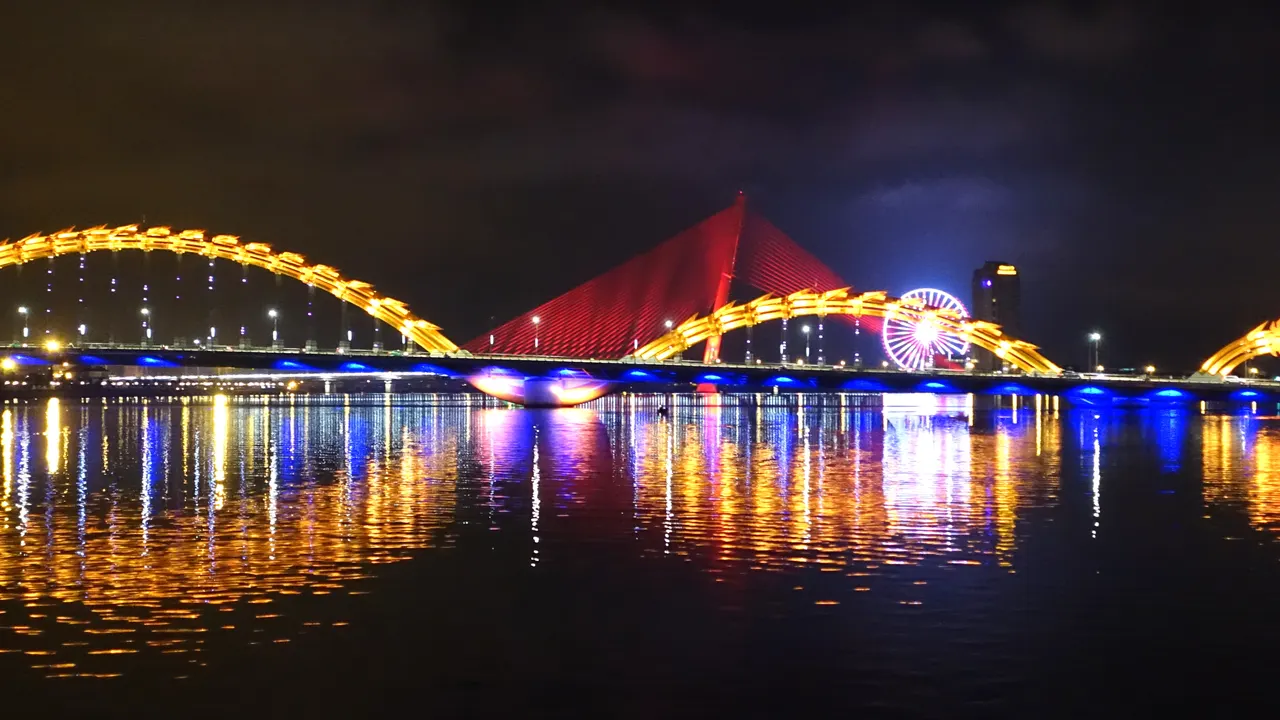
Dragon Bridge is a city landmark to consider when planning a river-side evening. Choose a walk for the setting itself rather than making an unverified performance the only reason to go. If a show matters to your plans, check the organizer’s current announcement and the return transport on the day.
Linh Ung belongs on the comparison list for visitors interested in a religious-site visit. Look for current visitor guidance and respect the setting rather than treating it only as a photo stop. Ask about arrival points, suitable clothing, walking surfaces and accessibility before arranging an outing that includes it.
The Museum of Cham Sculpture is highlighted by national tourism guidance for its Cham cultural collection. Use it as a focused cultural option, not a generic substitute for every outdoor visit. Check the museum’s current visitor information and decide how much time you want to spend looking, reading and learning.
Ba Na Hills and the Golden Bridge should be assessed as a dedicated excursion. Compare what a package actually includes, how transport works, the operator’s current terms and what happens if weather changes the plan. A striking image is a reason to investigate; it is not evidence of access, ticket validity or suitability.
A beach comparison is useful when the priority is space, a walk or time near the water. Start with the kind of experience you want, then check current access and conditions. Do not assume every stretch has the same services, supervision or swimming suitability because the coastline looks continuous on a map.
A good first-day plan has a clear center of gravity. If the coast is why you came, choose a coastal activity first and keep your other stops modest. If culture is the priority, give a museum or religious-site visit enough attention to be more than a photograph. If you want a city evening, work backward from your return journey and choose a river-side stop that still feels worthwhile if an event does not happen.
For a family or a mixed-age group, compare comfort before quantity. Ask how far people will walk, where you can take breaks and whether the route can be shortened without losing the experience. A quieter day is a deliberate choice, not a failure to see everything. If one person wants a longer outing and another wants an easy afternoon, consider separate plans with a clear meeting point rather than pushing everyone through the same schedule.
For a repeat visit, change the question from ‘What did I miss?’ to ‘What would I like to understand better?’ Revisit a place with a different focus, choose one cultural topic, or spend more time in a familiar area. This hub groups options by the experience they support; the categories are an editorial planning aid, not a ranking or a claim about quality.
Map the journey before the stops
Think in outing groups: a coast-led day, a peninsula outing, a cultural visit, a river-side evening or a dedicated excursion. These groups help organize choices; they are not measured route times or a promise that every stop is adjacent. Open the official destination resource for each place, identify the arrival point and check your planned return before booking transport.
A map pin alone cannot establish where visitors may enter, where a vehicle can stop or whether a path is suitable for your group. Confirm the real entrance and the route you will use. When comparing transport quotes, specify the same start, destination, waiting arrangement and return plan so you are comparing like with like. Keep a written record of the agreed journey, especially if several people are coordinating.
This page does not embed a live map or publish surveyed coordinates. My Khe, Son Tra and Marble Mountains now provide source-led planning frameworks, with dated local access checks still pending. Other destination pages remain labeled previews. Use official tourism sources for orientation and confirm details that affect your trip.
Compare costs without guessing
Budget in separate categories: admission, transport, any booked activity, food and optional extras. Ask whether a quoted price is per person or per vehicle, whether a return journey is included and which charges are paid on arrival. Keep currency and units explicit. A package can look cheaper or more expensive simply because it includes a different set of services.
We have not published attraction prices or a typical daily budget here because those figures need current evidence and a clear method. Before paying, compare the venue or operator’s own information with the exact offer you intend to buy. Check the date, exclusions, amendment rules and cancellation conditions. Avoid assuming that a price from a social post, old itinerary or copied listing still applies.
Make room for changes in the plan. A flexible day may need a different journey, a shortened visit or an alternative activity. Decide what you are comfortable spending before you travel, and keep discretionary purchases separate from commitments you have already made. These are planning prompts rather than a recommendation to buy a particular tour or ticket.
Timing starts with current conditions
Choose your day’s pace around your own priorities, comfort and the information available at the time. An outdoor plan needs a current weather and access check; an indoor plan needs confirmed visitor arrangements. Neither category automatically guarantees an easy visit. If the main activity changes, reconsider the transport and the other stops rather than trying to preserve a timetable that no longer fits.
Confirm operating information with the actual venue or organizer before building a day around it. A recurring event should not be treated as a guarantee, and a historic opening schedule is not proof of today’s access. Where the guide has not verified a time, it leaves it out. That is more useful than a precise-looking number that could send you to the wrong place at the wrong moment.
Leave room between commitments, and identify the part of the plan you would drop first. A shorter route with a clear return can be more workable than a crowded itinerary. Share the plan with your group in a language everyone understands and carry enough information to change it without relying on a single app or message thread.
What still needs a local check
This is a source-led draft, not a first-hand field report. We have not added a named local reviewer, fresh route observations, verified entry fees or operating hours. Those are publication gates for the individual destination guides. The supplied photographs are visual context, not evidence of an inspection or a promise of what you will see on a particular date.
The next review should record the exact route used, the conditions encountered, the date, what was accessible and which details came directly from a venue or organizer. Material changes should be tied to an identifiable source. A correction should update the visible text and the related guide together rather than leaving contradictory advice across the site.
If you notice an error, use our Instagram link to send the page URL and the specific detail that needs checking. Please leave private booking records, identity documents and other sensitive information out of public comments. We will need to verify a suggested change before presenting it as an established fact.
Frequently asked questions
Who is Best Things to Do in Da Nang most useful for?
This hub is for first-time and returning visitors comparing coastal, cultural, city and excursion options. Choose by your interests, walking needs and available time rather than treating all eight ideas as a required itinerary.
What should visitors budget and when should they go?
Budget separately for transport, admission and optional activities. No current price or operating-time claim is made here. Check the actual venue or organizer’s dated information and current weather/access conditions before deciding.
Which options should travelers compare when using Best Things to Do in Da Nang?
Compare a beach-led day, a peninsula outing, a cultural visit, a river-side evening and a dedicated excursion. Use the same criteria—route, access, pace, inclusions and return arrangements—when assessing each.
What information in Best Things to Do in Da Nang should be rechecked before travel?
Recheck entry arrangements, operating hours, event schedules, route access, weather conditions, ticket terms and transport. This sourced draft still needs a named local reviewer and dated first-hand evidence.
Optional analytics helps us understand which guides are useful. Choosing accept stores campaign attribution for up to 90 days. Reject keeps optional analytics and attribution off. You can change your choice in the footer.